Daybeds are versatile furniture pieces that function as seating by day and a Sleeping surface by night, offering compact and practical comfort for small rooms or multi-use spaces. They often feature a frame that supports a full or twin mattress, with options for trundles or storage underneath. This category highlights design, construction quality, and suitability for guest rooms and lounges, while considering bedding compatibility and sheet fit.
Material choices for daybeds typically include solid wood, metal, or upholstered frames, each influencing durability and aesthetics. Key features to evaluate include frame stability, weight capacity, and the ease of converting the daybed into a bed. Attention to joinery, finish, and upholstery durability helps ensure long-term usability in bedrooms, living spaces, or guest suites.
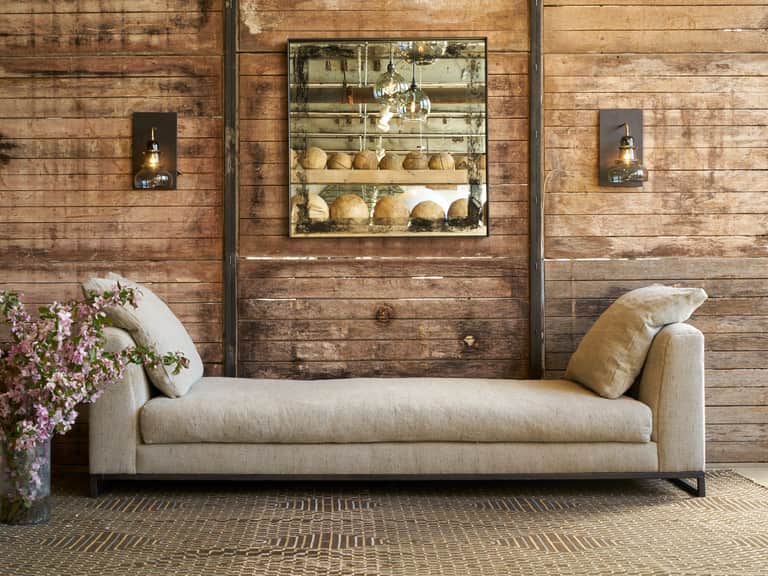
The Cisco Home Richard Daybed exemplifies functional design, combining clean lines with practical versatility. It offers a robust frame, comfortable seating for daytime use, and a straightforward conversion for overnight sleeping. When selecting a daybed, assess mattress depth, sleeping surface dimensions, and compatibility with bedding such as sheets and toppers.
In terms of bedding compatibility, daybeds require appropriately sized sheets and toppers to achieve a neat, wrinkle-free appearance. Consider thread count, fabric weave, and mattress depth to ensure a proper fit and comfortable sleep experience. Integrating accessories like adjustable beds or supportive toppers can enhance sleeping support and overall daybed usability.
Overall, daybeds provide a flexible solution for homes that value efficient space usage, guest accommodations, and multi-function furniture. Understanding frame construction, mattress compatibility, and ergonomic support helps users choose a model that aligns with room layout, interior style, and practical daily needs.
 Furniture