Core Materials in Organic Mattresses
Organic mattresses center on materials that minimize chemical exposure, enhance sleep comfort, and deliver durable performance. Three materials repeatedly surface in high-quality builds: organic cotton, natural latex, and wool. Each contributes distinct advantages, and their combinations yield a spectrum of feel—from luxuriant plushness to crisp, supportive resilience.
Organic cotton provides a smooth, breathable foundation for the ticking, comfort layers, and covers. When the cotton is certified organic, it signals that the farming practices avoided synthetic pesticides and fertilizers, which aligns with broader concerns about indoor air quality and chemical exposure. Cotton’s soft touch and moisture-absorption properties support a comfortable sleeping surface across seasons.
Natural latex—whether from Hevea rubber trees or other sustainable sources—offers buoyant, responsive support. It tends to resist sagging, returns quickly after compression, and maintains consistent pressure distribution. In organic mattresses, latex is often used in layered configurations to balance contouring with support, and it can contribute to temperature regulation when paired with breathable covers.
Wool, especially when organic, adds natural temperature regulation and moisture-wicking capabilities. Wool fibers can move heat and moisture away from the body, providing a dry, comfortable sleeping surface. Wool also has a natural springiness that supports alignment without the sensation of “hugging” the sleeper too tightly. When sourced responsibly, wool aligns with sustainability goals and can appeal to sleepers seeking a more natural, renewable alternative.
Certifications That Matter
Certifications act as independent attestations of material origin and processing standards. In the organic mattress space, two prominent schemes frequently surface:
- GOTS (Global Organic Textile Standard) — The gold standard for organic textiles. GOTS certification covers both the organic status of the raw materials and the environmentally and socially responsible processing, manufacturing, packaging, labeling, and distribution. For a mattress, GOTS is often most visible in the organic cotton textile layers and covers.
- GOLS (Global Organic Latex Standard) — The corresponding certification for latex materials. GOLS ensures that latex is produced from organic rubber trees and that the manufacturing process adheres to strict environmental and social criteria. When a mattress features GOTS for the cotton and GOLS for latex, you’re looking at a product designed with a robust sustainability backbone.
Beyond these, look for additional certifications or verifications related to wool processing (e.g., RWS or ZQ certifications) and sustainable production practices. Certifications alone do not guarantee comfort, but they do provide essential guardrails that help consumers avoid greenwashing and align purchases with long-term health and environmental considerations.
Construction Types: How They Shape Comfort and Longevity
Organic mattresses come in a few primary construction families, each offering different feels and performance characteristics. Understanding these types helps Sheffield readers (and anyone researching comfort) identify what best suits their sleep posture, temperature preferences, and budget.
- Innerspring with Organic Components — A traditional core of metal springs (often hand-tufted and reinforced) can be wrapped in organic cotton covers and layered with natural latex and wool. This design emphasizes durable support with a breathable, responsive top layer.
- Latex-Only or Latex-Blend — Pure natural latex cores or latex-topped constructions deliver buoyant support and quick recovery. Latex mattresses tend to regulate temperature well when paired with breathable, natural covers and wool layers to wick away moisture.
- Hybrid — A combination of a latex or latex-blended comfort layer above a supportive innerspring core. Hybrids aim to balance pressure relief with robust edge support and airflow, a popular choice for sleepers seeking versatility across seasons.
The common thread across construction types is the emphasis on avoiding synthetic foams that off-gas and trap heat. A well-made organic mattress concentrates on natural, renewable materials with transparent sourcing and certified processing. For households in Sheffield—where homes range from period properties to modern flats—the practical reality is choosing a mattress that harmonizes with existing bedding, climate, and bedroom layout. A breathable, climate-responsive design can reduce the need for excessive fans or cooling devices during warmer months, contributing to energy efficiency and personal comfort.
Sheffield-Specific Tips: Local Resources, Care, and Longevity
Sheffield’s climate—characterized by damp, cool winters and mild summers—makes humidity and temperature control in the bedroom a practical concern. The following tips bridge global material knowledge with local context:
- Local retailers and transparency — Seek out stores and brands that openly discuss their organic certifications and the sourcing of cotton, latex, and wool. When possible, ask for a material breakdown or a certificate of conformity for the components. A local, transparent dialogue helps ensure you’re not buying into marketing buzzwords but into true organic integrity.
- Recycling and responsible disposal — When it’s time to upgrade or replace a mattress, explore local programs that recycle or responsibly dispose of textiles. Many Sheffield-area councils and partners offer seasonal collection or recycling guidance for old bedding and mattresses. Caring for the end of life of a product is part of sustainable consumption and aligns with the ethical ethos of organic materials.
- Care routines that extend life — Organic mattresses often respond well to simple care routines: rotate or flip (if designed for it), keep a breathable cover clean, and vacuum occasionally to remove dust. For latex or wool layers, avoid harsh chemical cleaners. Use a protective, non-toxic cover to prolong the lifespan of the organic layers and maintain performance across seasons.
- Seasonal comfort adjustments — In damp Sheffield seasons, layering with wool blends or temperature-regulating covers can help manage humidity and temperature swings. Wool’s moisture-wicking properties keep the surface drier at night, potentially reducing nocturnal cooling or sweating and helping maintain restfulness across the year.
Three Key Individuals Across Time: Perspectives on Sleep, Materials, and Craft
To illuminate the evolution of materials, design, and sleep culture, we revisit three figures from different eras who influenced how we think about comfort, textiles, and the science of rest.
1) Florence Nightingale (1820–1910): A Vision for Clean Sleep Environments
Nightingale, famed for reforming hospital sanitation, also advanced the idea that environment shapes health outcomes. In the context of bedding and sleep, her legacy informs today’s emphasis on clean textiles, breathable layers, and the relationship between rest and recovery. While not a mattress designer, her insistence on evidence-based practices laid groundwork for later movements toward healthier sleep environments—where materials are not merely luxurious but components of care.
In a modern Sheffield guide to organic mattresses, Nightingale’s influence translates into a demand for transparency, hygiene, and thoughtful material choices that respect the body and the environment.
2) Charles Darcy: The Industrial-Cotton Era and the Evolution of Textiles
Darcy represents a lineage of textile innovation rooted in the Industrial Age—an era that shaped how textiles were produced, finished, and distributed. The period catalyzed mass production of cotton goods, setting the stage for later health-forward certifications and the rise of organic farming as a counterpoint to industrial farming methods.
In the organic mattress conversation, Darcy’s era underlines the shift from single-commodity textiles to complex supply networks that value traceability, quality, and sustainability—principles central to organic cotton used in modern mattresses.
3) Modern Sleep Researchers: The Rise of Evidence-Informed Comfort
Contemporary sleep science blends ergonomic insight with material science, guiding choices about support, temperature regulation, and moisture management. Researchers in the field emphasize how sleep posture, mattress composition, and microclimate influence sleep quality. In Sheffield and beyond, this tradition supports consumer decisions grounded in research rather than marketing.
The contemporary narrative celebrates collaboration among clinicians, designers, and material scientists to produce organic mattresses that honor health and environmental ethics—an ethos that aligns with the non-commercial, informational spirit of this guide.
A Practical Checklist for Choosing an Organic Mattress
- Identify your preferred feel: latex-forward support vs. latex-topped hybrids, or a wool-rich comfort layer for temperature regulation.
- Confirm organic certifications: look for GOTS for organic cotton covers and GOLS for latex components, with additional wool certifications where applicable.
- Understand the core construction and durability: check the number of comfort layers, edge support, and the presence of any synthetic foams in contact with the sleeper.
- Assess climate compatibility: in Sheffield’s damp climate, prioritize breathable covers and natural materials that manage moisture effectively.
- Request material and safety documentation: ask suppliers for certificates, sourcing details, and care guidelines specific to your mattress.
- Plan for lifecycle and disposal: inquire about recycling options or take-back programs in your area to minimize environmental impact at the end of life.
Local Sheffield Resources and Non-Commercial Guidance
While this guide emphasizes non-commercial, informational content, it also recognizes the value of practical local resources. In Sheffield, residents can:
- Consult independent bedding specialists who offer transparent material disclosures and reference standard certifications.
- Explore textile recycling and mattress recycling programs operated by local councils or charitable partners.
- Attend community sleep health events or university-led public talks about sleep science and well-being.
The aim is to empower readers to make informed, health-forward choices that align with local values and environmental stewardship—without being swayed by marketing narratives that prioritize sales over substance.
Product Spotlight: The Celine Bed End as a Textural Accent
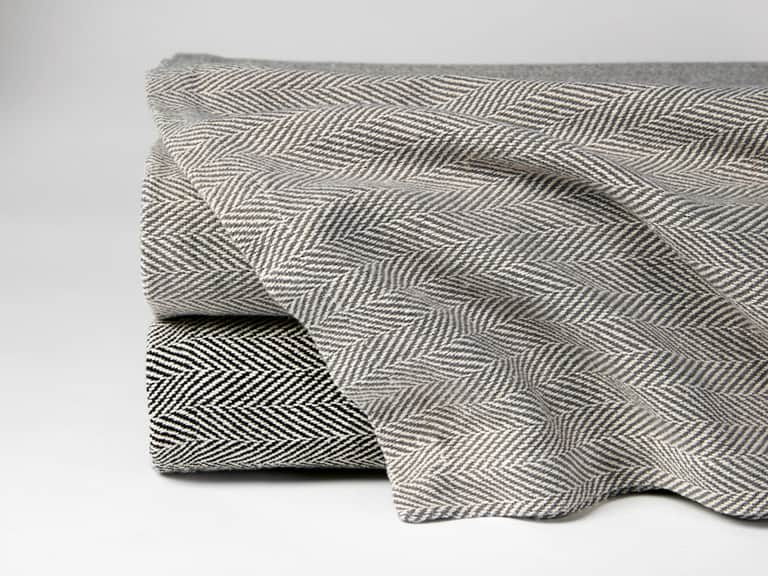
Among the curated assortment of bedding and accessories, the Celine Bed End offers a refined, tactile detail that complements an organic mattress narrative. Crafted in Portugal from 100% cotton, this bed-end piece features a brushed nap with a herringbone weave and a plain hem. While designed as a styling edge rather than as a sleep-support component, it embodies the textile sensibilities that thread through thoughtful sleep environments: softness, durability, and a restrained aesthetic that fits within a non-commercial, educational framing.
Material: 100% cotton; Construction: herringbone weave, brushed nap, plain hem; Origin: Portugal; Care: Machine wash cold; Tumble dry low.
Product: Celine Bed End
Selected as a tactile accent in a curated organic-bedroom setup.
Conclusion: An Everyday Standard for Sleep Quality
Choosing an organic mattress is not merely a purchase; it is a long-term commitment to health, home, and the environment. By prioritizing transparent materials, robust certifications, and construction that balances comfort with durability, readers in Sheffield—and elsewhere—can adopt a sleep setup that honors bodies and the world they inhabit. The journey from farm to bedroom is a continuum of decisions, and with informed choices, we can elevate not only how we sleep but how we live.
This guide remains a non-commercial compass: it offers context, questions, and considerations to empower readers to seek truthful, accountable information as they navigate the evolving landscape of organic mattresses.