Bedding guide
Percale, Sateen, or Silk? A Fabric-First Guide to Choosing Sheets
A bed is made of small decisions that add up over the night. Among them, the fabric closest to your skin matters more than its colour, its label, or a headline thread count. Percale feels crisp and airy; cotton sateen is smooth and softly draped; silk has a distinctive, fluid touch and a more exacting care routine. Knowing what those differences mean can help you choose sheets that feel right in your room, suit your habits, and hold up to ordinary life.
Start with the feeling you want
When people talk about sheets, they often begin with thread count. It is an easy number to compare and a poor shortcut for judging the whole experience. A sheet’s feel depends on several things working together: the fibre, the yarn, the weave, the finish, and how the fabric is cared for. A well-made sheet with a modest, clearly described construction may be a better match than a denser fabric whose label tells you little about its real character.
Think first about the sensation you want at bedtime. Do you like a cool, crisp surface that feels freshly made? Percale may suit you. Would you rather the sheet glide smoothly and settle in soft folds? Cotton sateen is worth considering. Are you drawn to silk’s unusually smooth hand and willing to handle it more gently? Then silk may be a fitting choice.
These are preferences, not rules about what makes a “good” sleeper. One person’s inviting softness can feel too warm to another; another person may love the clean, crisp touch that someone else finds stiff. The best sheet is not the one with the most impressive-sounding specification. It is the one whose texture, temperature and upkeep make sense in your daily routine.
Percale: crisp, light and straightforward
Percale describes a plain weave in which the threads cross in a simple, regular pattern. That structure gives the fabric its familiar matte appearance and crisp feel. Cotton percale is often chosen by people who enjoy sheets that feel cool and fresh, with less sheen and less drape than sateen.
“Cool” is best understood as a sensation, not a guarantee that a sheet will lower body temperature. The way bedding feels depends on the room, the sleeper, the mattress and the rest of the bed. Still, percale’s crisp, breathable character can be appealing to people who dislike a clingy or slippery surface, or who tend to feel warm under heavier layers.
New percale can feel firm at first. With washing and use, many cotton sheets soften, though the degree and pace depend on the cotton yarn, finishing and care. It is sensible to judge them over time rather than expecting every new set to feel immediately broken-in. Cotton percale can also wrinkle more visibly than fabrics with a smoother finish. For some, those soft creases are part of its relaxed character; for others, they are a reason to choose differently.
When comparing percale sheets, look beyond the name. Check that the label identifies the fibre, tells you how to wash the fabric, and gives usable size information. A simple weave does not automatically mean a sheet is durable or breathable; yarn quality and construction still count. If you have a deep mattress or use a topper, fitted-sheet dimensions and pocket depth deserve the same attention as the fabric itself.
Cotton sateen: smoothness with a soft drape
Cotton sateen is a cotton fabric woven to bring more yarn to the surface. That construction gives it a smoother hand and a subtle sheen. It tends to drape more softly than percale, which can make the bed feel polished and gently enveloping rather than crisp and taut.
The word “sateen” describes a weave, not a fibre. Cotton sateen is different from silk: it is made from cotton yarn, arranged to create a smooth surface. That distinction matters when reading a product label. A sheet can look glossy or feel silky without being made of silk, so the fibre content is the reliable place to start.
Some sleepers prefer sateen because it feels soft from the beginning and has a more fluid finish. Others find that the smoother surface holds warmth or feels less airy than percale. Neither response is universal. The practical test is whether the fabric feels comfortable across the nights and seasons when you actually use it. If you tend to sleep warm, consider how the sheet will work alongside your duvet, room temperature and sleepwear, rather than treating any one material as a complete temperature solution.
Sateen’s surface can be more vulnerable to snagging or visible wear than a crisp plain weave, depending on its construction and use. Following the maker’s care instructions helps preserve the finish. Avoid assuming that a higher thread count automatically means better performance: numbers do not reveal the quality of the yarn, the exact construction, or how the fabric will behave after repeated laundering.
Silk: a distinct fibre, and a different commitment
Silk is not simply a shinier version of cotton. It has a smooth, fluid feel and a different relationship to care. Its appeal is tactile: a fine, sleek surface that moves easily over the bed and feels distinct against skin. Silk is also often chosen for its refined appearance, but its most important practical question is whether you are prepared to follow the care routine it requires.
Silk sheets should not be treated like ordinary everyday cotton unless the label specifically says that the construction allows it. Washing temperature, detergent, drying method and handling can all matter. A silk fitted sheet may call for a delicate wash, air drying and low-temperature ironing, rather than a hot cycle and tumble drying. Check the care label before purchasing, and think honestly about whether those steps fit the way you do laundry.
Silk is sometimes described as naturally temperature-regulating or gentle on skin and hair. These phrases can help explain why people are interested in the fibre, but they are not medical promises. Individual comfort varies, and a sheet alone cannot resolve a skin, hair or sleep concern. If those issues are important to you, consider the fabric as one part of your bedding choices and seek appropriate professional advice for persistent health concerns.
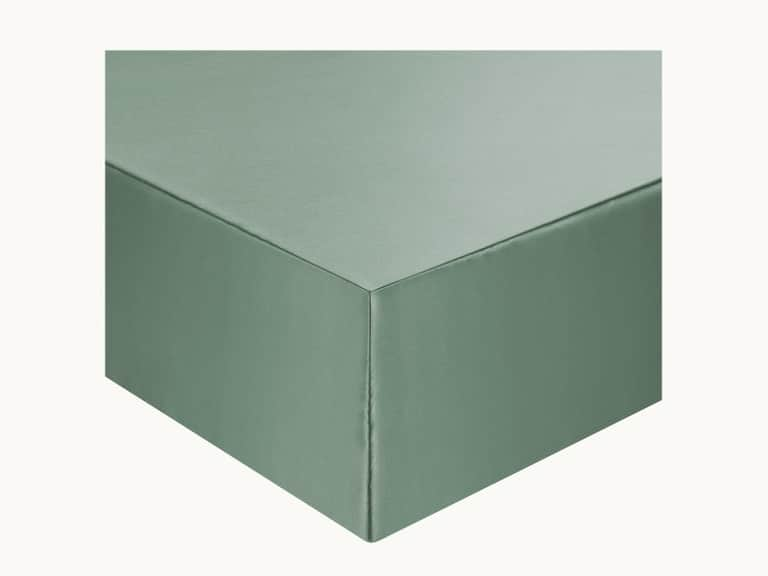
For a concrete example of the details to compare, the Ashdown Silk Fitted Sheet is described as 100% mulberry silk, with a 22 momme weight and a 15-inch pocket depth. Its stated care is a gentle machine wash at no more than 30 degrees, air drying and cool ironing if needed. Those specifications make the key questions visible: what is the fibre, how substantial is the silk, will the fitted sheet accommodate your mattress, and are you comfortable with its care?
Silk can be a considered choice for someone who values its particular feel and is willing to care for it carefully. It may be less practical for a household that wants to wash every sheet in one routine, or for a bed that sees heavy daily use and frequent changes. The trade-off is not a flaw; it is part of the decision.
Thread count is only one part of the label
Thread count refers to the number of threads in a given area of fabric, but it is not a direct measurement of softness, strength or comfort. The figure can be difficult to interpret without knowing the yarn and construction behind it. A high number may sound luxurious, yet it does not tell you whether the fabric will feel crisp, smooth, heavy or breathable.
Instead of letting thread count lead the decision, read the label in a sensible order. First, identify the fibre: cotton, silk, linen or a blend. Next, note the weave or fabric description, such as percale or sateen. Then check the finished dimensions, fitted pocket depth and washing instructions. If a product gives information about yarn quality or certification, consider that alongside the other details rather than as a substitute for them.
Be alert to language that sounds precise but leaves basic questions unanswered. “Silky” may describe a feel, not silk content. “Cooling” is not a standard guarantee of a particular sleeping temperature. “Luxury” is a style claim, not a construction detail. Reliable product information should make it possible to understand what the sheet is made from, how it fits and how it should be maintained.
Fit matters as much as fabric
A sheet that slips off at the corners can make a well-chosen fabric feel like the wrong choice. Before buying a fitted sheet, measure the mattress height, including any topper or protector that will remain under the sheet. Compare that total with the pocket depth listed by the maker. A mattress that is unusually deep, or one with a thick topper, may need a deeper pocket than a standard fitted sheet provides.
Also confirm the mattress size and the sheet’s dimensions. Names such as single, double, king and super king are useful starting points, but sizes and naming conventions can vary by market and manufacturer. Check the actual measurements, especially when ordering from a different country or replacing one piece rather than a complete bedding set.
Fitted sheets need enough room to stretch around the mattress without being so loose that they shift. The elastic, corner construction and fabric’s give all influence the fit. If the sheet is close to the limit of its pocket depth, the mattress protector and topper can determine whether it stays secure. Measuring before you buy is less glamorous than choosing a colour, but it can prevent a nightly tug-of-war.
Care is part of the fabric choice
Sheets spend their lives being slept on, washed, dried and put back into service. Their long-term feel depends not just on fibre and weave, but on how those routines are carried out. Follow the care instructions supplied with the sheet: one fabric’s sensible treatment may be too harsh for another.
- Wash thoughtfully. Use the recommended temperature and a suitable cycle. Overly hot washing can place unnecessary strain on fibres and colour.
- Avoid overloading the machine. Sheets need room to move through the wash and rinse properly. An overloaded drum can leave bedding twisted or poorly rinsed.
- Choose drying with care. Air drying may suit delicate fabrics, while some cotton sheets may tolerate machine drying according to their label. High heat can contribute to wear or shrinkage.
- Store clean, dry bedding. Make sure sheets are fully dry before putting them away, and keep them in a clean, ventilated space.
- Rotate sets if possible. Using more than one set can reduce the wear placed on a single sheet and make laundry days easier.
Care is not a minor footnote. If a fabric’s recommended routine feels burdensome, that is useful information. Choosing a sheet you can maintain comfortably is often wiser than buying one whose care instructions you are likely to ignore.
A practical comparison
| Fabric or weave | Typical feel | What to consider |
|---|---|---|
| Cotton percale | Crisp, matte and light | Can wrinkle; may soften with use; check fibre quality and washing guidance. |
| Cotton sateen | Smooth, softly draped, often with a subtle sheen | May feel warmer or less crisp than percale; protect the surface from avoidable wear. |
| Silk | Fluid, sleek and distinctive | Check fibre content, fitted depth and delicate care requirements before choosing. |
This comparison describes common tendencies, not guarantees. Two sheets with the same fabric name can feel different because of yarn, finishing, weight and construction. Where possible, handle a fabric sample or read a detailed description before deciding.
Choosing for a Sheffield bedroom
Local conditions do not dictate one correct sheet, but the bedroom around the bed matters. In Sheffield, as anywhere, the experience changes with the season, the building and the way a room is heated and ventilated. A cool bedroom, a warm upper-floor room and a small flat with limited laundry space can all make the same fabric feel like a different choice.
Consider the whole sleep setup rather than expecting sheets to do every job. A lighter, crisp sheet may suit someone who prefers an airy surface, while a smoother fabric may feel more inviting in a room that runs cool. Duvet weight, sleepwear, room ventilation and personal comfort all shape the result. If you share a bed, discuss preferences: one sleeper’s favourite smoothness may be another’s slippery surface.
Practical details matter in smaller homes, student accommodation and shared households. How often do you want to wash the bedding? Is there space to air dry delicate fabric? Do you need a set that is easy to replace or match? The most useful choice is the one that fits both the mattress and the realities of the household.
A quick decision guide
- Choose percale if you like a crisp, matte, freshly made feel and prefer a straightforward cotton option.
- Consider cotton sateen if smoothness and soft drape matter more to you than a crisp finish.
- Explore silk if you want its distinctive fluid texture and are prepared to follow more delicate care instructions.
- Measure your mattress with its topper and protector in place before checking fitted-sheet pocket depth.
- Read the fibre content and care label; do not use thread count or promotional descriptions as the only basis for a decision.
If you are unsure, begin with the texture you already know you enjoy. A pillowcase, fabric sample or sheet you have used before can offer a more reliable guide than a list of adjectives. Then check whether the care and fit work for your home.
The best sheet is the one you welcome back to bed
Percale, sateen and silk each offer a different answer to the same everyday question: what should the bed feel like when the lights go out? Percale brings crispness and a plain-weave character. Cotton sateen offers a smooth surface and softer drape. Silk has its own sleek texture, balanced by more attentive care.
There is no universal winner, and the most meaningful specification is not always the biggest number on the packaging. Begin with fibre and weave, then consider how the fabric feels, how it fits your mattress and how much care it asks of you. Those practical details turn a sheet from a decorative layer into part of a bedroom routine that works—night after night.